 ProVisual
3D Real Estate Visualization in Barcelona: Sell Your Project Before Construction Starts
April 6, 2026
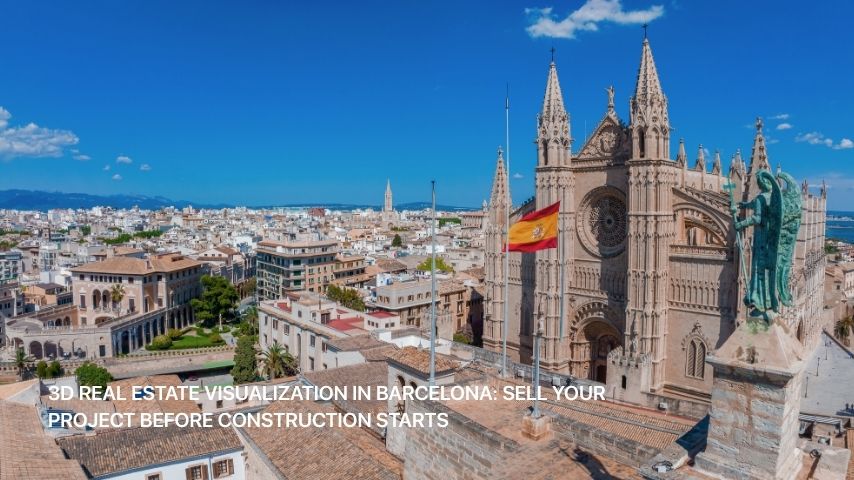
3D Real Estate Visualization in Barcelona
Barcelona has always been a city where architecture speaks first. Walk through its streets and you feel it instantly — the rhythm of facades, the warmth of the light, the life happening on terraces above the city. Now imagine trying to sell a future building here using only plans and technical drawings. It rarely works.
3D Real Estate Visualization in Barcelona changes that completely. It turns an idea into something almost tangible. Before the first brick is placed, the project already exists in the buyer’s mind. And that moment — when someone can picture themselves inside a space that doesn’t yet exist — is where decisions begin.
Developers across Barcelona have quietly shifted their strategy. Instead of waiting for construction progress, they start selling much earlier. Not because they take risks, but because visual storytelling makes those risks feel smaller. A well-crafted render replaces uncertainty with clarity. It answers silent questions without forcing the client to ask them.
A Market That Demands More Than Plans
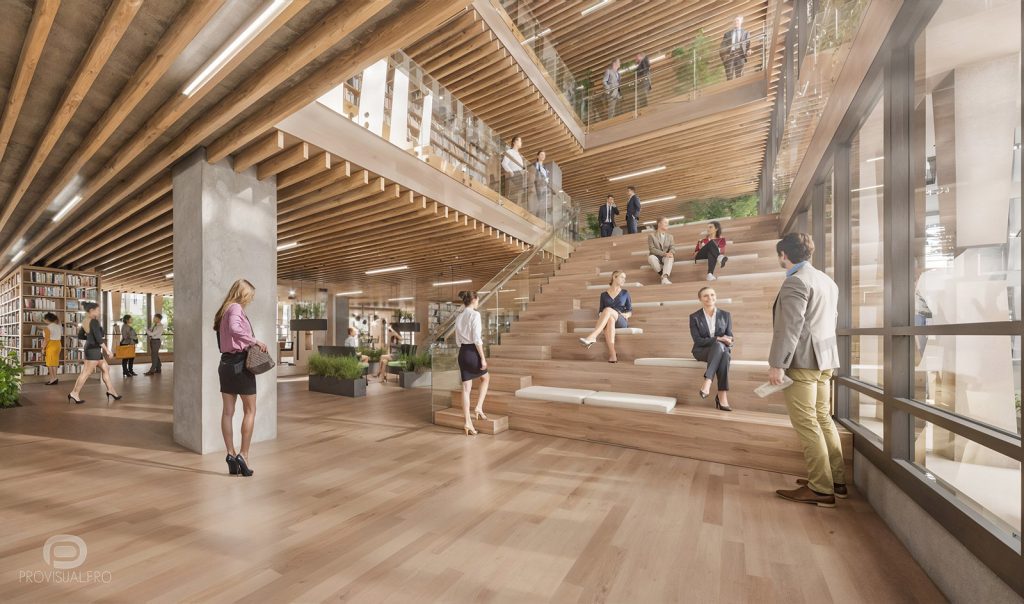
This is where visualization becomes more than a presentation tool. It becomes a bridge between intention and perception. A new building in Poblenou needs to feel contemporary but still grounded in the city’s identity. A restored apartment in Eixample must preserve its character while offering modern comfort. Without visuals, these ideas stay abstract.
Interestingly, international investors often rely entirely on these images. Many of them never visit the site before making a decision. What they see in a render becomes their reality. If the image feels convincing, the project feels safe. If it feels generic, hesitation appears almost immediately.
How Buyers Actually Make Decisions
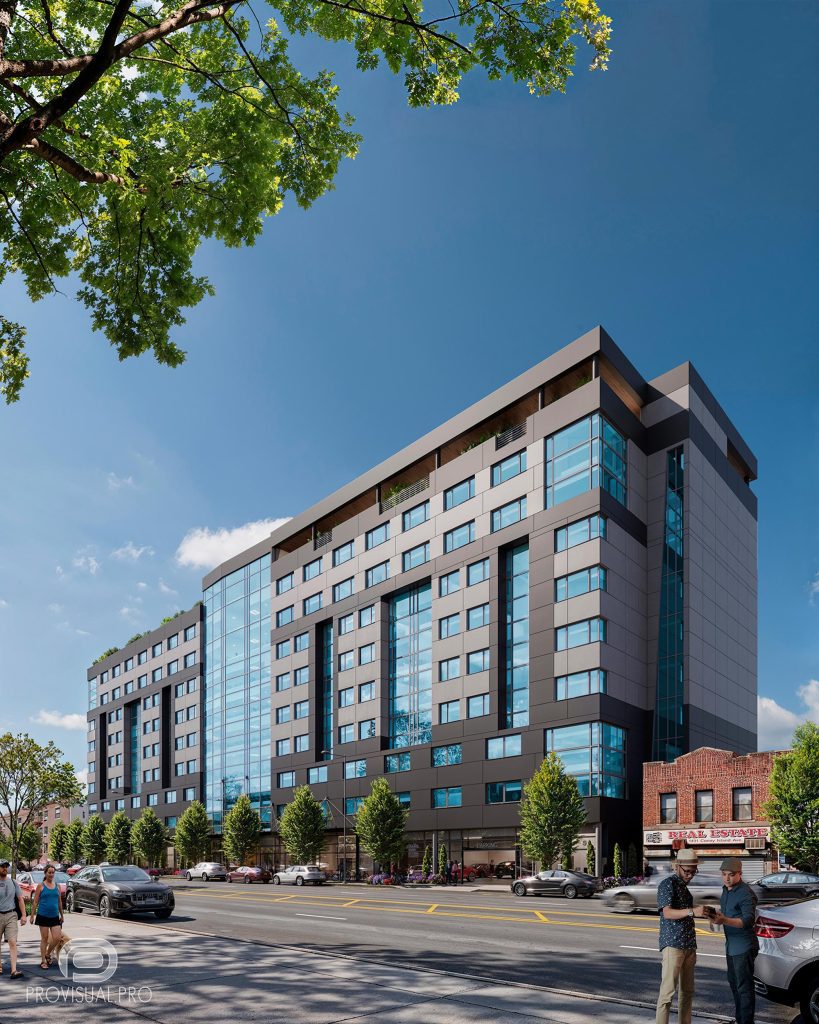
A strong visual creates that feeling almost instantly. Light entering the living room at the right angle, shadows moving softly across textured walls, a terrace that feels alive rather than staged — these details do more than decorate an image. They create a sense of belonging.
It’s subtle, but powerful. When someone pauses longer on a render, when they zoom in without realizing it, when they imagine their morning coffee on that balcony — the project has already started selling itself. At that point, the conversation shifts. It is no longer about convincing. It becomes about confirming.
The Barcelona Look Cannot Be Faked
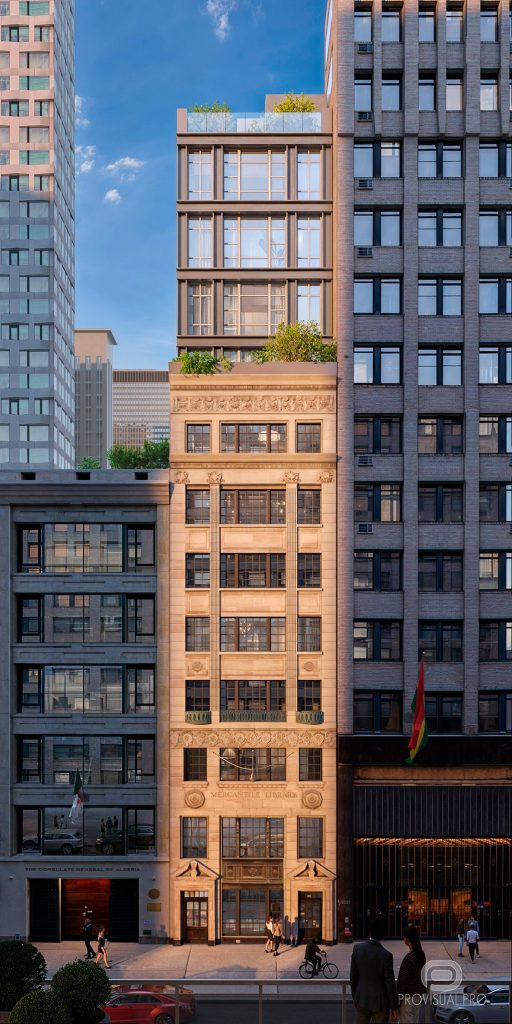
Ignoring these details is one of the fastest ways to make a project feel out of place. A generic render might look technically correct, but something will feel off. Buyers may not explain it clearly, yet they will sense the difference.
A well-adapted visualization respects these nuances. It understands how light behaves in the city, how materials reflect it, how people actually use their spaces. Plants are not randomly placed. Furniture is not just aesthetic. Everything supports a believable lifestyle.
And that believability builds trust.
You can view the property here.
Selling to Clients Who Are Not Even There
The Barcelona market is increasingly international. Buyers come from different countries, often making decisions remotely. They rely on digital materials much more than local clients ever did.
This shift changes the role of visualization. It is no longer just a support element. In many cases, it becomes the main point of contact between the project and the buyer.
When a presentation feels immersive, distance stops being a problem. Investors understand the scale, the atmosphere, even the surrounding environment. They begin to see the project not as a concept, but as a future asset.
Developers who adapt to this reality tend to move faster. Their projects feel more accessible, more transparent, and ultimately more attractive.
What Happens When Visualization Is Missing
Some projects still try to rely on simplified visuals or basic drawings. On paper, it might seem like a way to reduce costs. In practice, it often slows everything down.
Without a clear image, buyers hesitate. They ask more questions, take more time, and sometimes lose interest altogether. The project becomes harder to explain, and every explanation depends on imagination rather than perception.
That gap between what is planned and what is understood can quietly affect sales. Not dramatically at first, but enough to change the overall pace of the project.
A More Practical Way to Move Forward
Working with a professional 3D visualization studio changes the process in a noticeable way. Instead of reacting to market feedback, developers start shaping it from the beginning.
At Provisual, projects are approached with this idea in mind. The goal is not simply to produce images, but to create visuals that communicate clearly and feel natural. The process usually starts with understanding the architecture, then gradually builds atmosphere, light, and detail.
Most projects move quite efficiently. Initial drafts appear within days, and full visuals follow shortly after, depending on the complexity. This allows developers to integrate renders into marketing campaigns early, rather than waiting until later stages.
More importantly, the visuals remain consistent with the project’s identity. They do not oversell, but they do highlight what matters.
Let Your Project Speak Before It Exists
If you are developing property in Barcelona, timing matters more than ever. The sooner your project becomes visible, the sooner it can start attracting attention.
3D Real Estate Visualization in Barcelona offers a simple advantage. It allows your project to communicate clearly from the very beginning. No guesswork, no heavy explanations, just a direct visual message that people understand.
And once that message feels real, decisions tend to follow naturally.
Ready to Present Your Project Properly?
If you are planning a new development in Poblenou or working on a renovation in Eixample, it might be worth asking a simple question. What do your future buyers actually see today?
If the answer is still drawings or concepts, there is an opportunity being missed.
You can explore how your project could look before construction even starts and use that vision to move forward faster.
Contact us at Provisual to discuss your project and receive a tailored visualization approach.
FAQ
How early can visualization be used in a project?
It can be introduced at the concept stage, even before final architectural decisions are made.
Does visualization really influence international buyers?
Yes, especially when they rely on remote decision-making and cannot visit the site.
How long does it usually take to create renders?
Timelines vary, but initial drafts often appear within a few days.
Is it possible to match the exact Barcelona atmosphere?
Yes, when the studio understands local light, materials, and architectural context.
Can visualization be used for marketing campaigns?
It is often the core element of marketing materials, both online and offline.
Is it suitable for both new developments and renovations?
Absolutely, and it is particularly useful when integrating modern design into historic areas.