 ProVisual
Future of Housing in Belgium 2026: How Photorealistic 3D Rendering Helps Sell EPC A+ Homes
April 13, 2026
Introduction
The Belgian real estate market is undergoing a major transformation driven by stricter energy regulations and rapidly evolving buyer expectations. By 2026, EPC A+ homes are no longer a premium feature — they are becoming the industry standard. However, selling a project before construction begins remains one of the biggest challenges for any real estate developer.
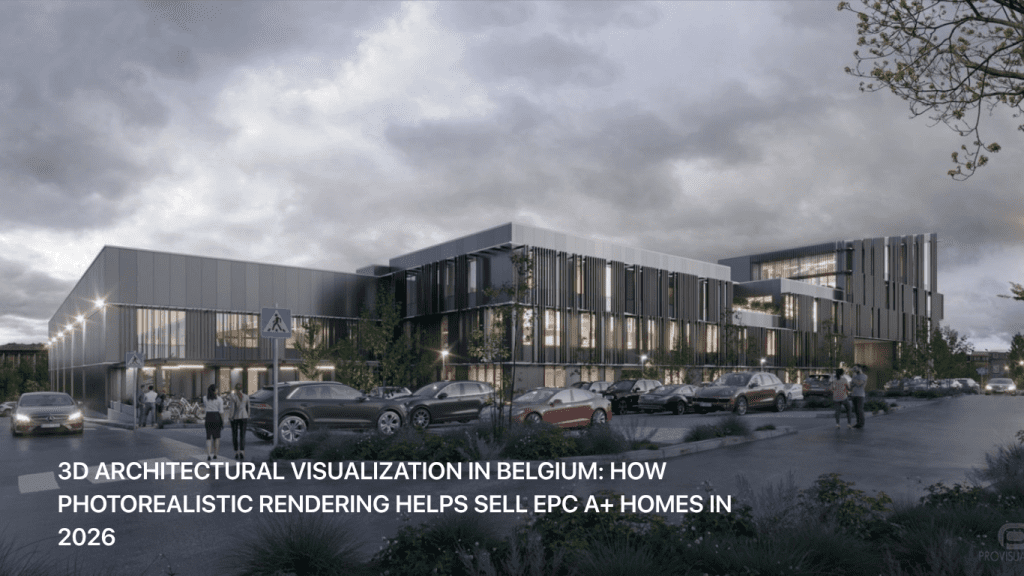
This is where 3D architectural visualization Belgium becomes a strategic asset. High-quality photorealistic architectural rendering allows developers and design firms to transform technical plans into compelling visual experiences. For an architecture firm Brussels, this means communicating ideas clearly to investors, authorities, and buyers while reducing uncertainty at every stage of the project.
1. Sustainability in Detail: Visualizing Innovation Without Losing Aesthetics
Sustainability today must be both functional and visually convincing. Buyers and stakeholders want to clearly understand how energy-efficient solutions are integrated into a project. In the context of a urban planning permit Belgium, visual clarity can significantly influence approval timelines.
Using advanced architectural CGI, complex systems such as solar panels, rainwater harvesting, and smart glazing can be presented in a way that feels natural and architecturally coherent. Instead of appearing as technical add-ons, these elements become part of the design language.
The use of 3D landscape integration helps demonstrate how a project interacts with its surroundings, which is especially important for submissions like a urban planning dossier Wallonia. When stakeholders can clearly see how a building fits into its environment, approval processes tend to move faster.
In practice, projects supported by strong visual content are not only easier to approve but also more attractive to investors, who can better assess the final product and its market positioning.
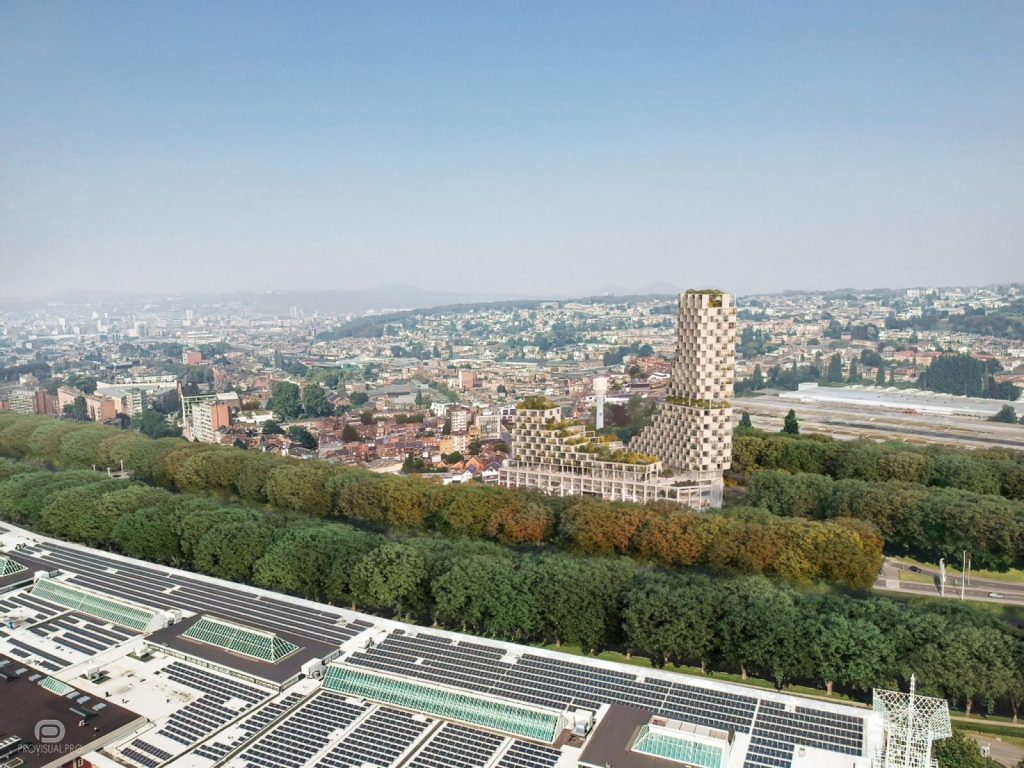 LIEGE COMP
2. Belgian Style + Modern Comfort: Enhancing Interior Visualization
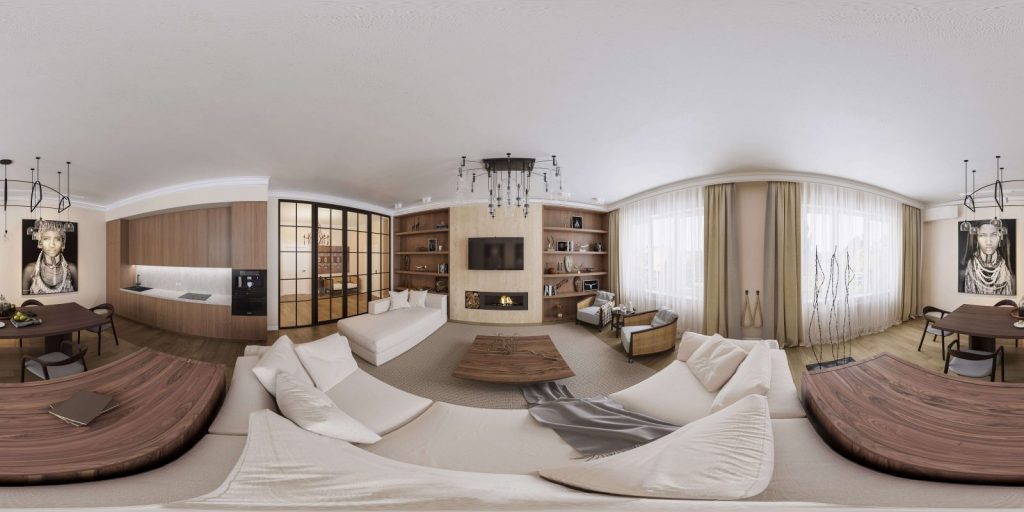
Belgian interior design is known for its refined minimalism, warm tones, and use of natural materials. Accurately capturing this aesthetic requires more than technical rendering — it demands a deep understanding of atmosphere and composition.
With real estate 3D perspectives, developers can create immersive interior scenes that go beyond simple layouts. A high-quality interior and exterior 3D rendering allows potential buyers to emotionally connect with the space, imagining how it feels to live there.
This emotional engagement is critical. Studies and market experience show that well-executed visualizations can increase conversion rates by up to 30%. Buyers are far more likely to commit when they can clearly envision their future home.
Additionally, 3D sales plans simplify the understanding of spatial layouts, especially for international clients who may not be familiar with traditional architectural drawings. For projects such as a real estate project Liège or developments requiring 3D modeling Brabant Wallon, this clarity becomes a key competitive advantage.
You can find housing on Immoweb
3. Virtual Tours and 360° Experiences: Selling Before Construction Starts
Digital tools are reshaping how real estate is marketed and sold. Today, buyers expect more than static images — they want interactive experiences.
A 360° virtual tour real estate allows clients to explore a property in detail before it exists physically. This is particularly effective during exhibitions, presentations, and online marketing campaigns where capturing attention quickly is essential.
Developers who integrate immersive technologies gain a clear edge. By combining real estate 3D perspectives with interactive environments, they extend user engagement and significantly shorten the decision-making process.
Professional partners such as a 3D rendering studio Brussels play a crucial role in delivering these solutions. Their expertise ensures that each visualization aligns with market expectations and project goals, whether for residential developments or large-scale urban concepts.
Conclusion
The future of housing in Belgium is defined by energy efficiency, architectural quality, and user experience. In this landscape, 3D visualization is no longer optional — it is a core component of successful project development and marketing.
It enables faster approvals, stronger buyer engagement, and higher perceived value. Developers and design firms who embrace these tools position themselves ahead of the competition and unlock new levels of efficiency in both sales and communication.
Do you have a real estate project in Belgium?
Want to start selling before construction even begins and impress clients from the first presentation?
Get in touch with a professional 3D rendering studio today.
Turn your concepts into powerful visual stories that sell, capture attention instantly, and significantly increase your conversion rates.